Office rubbish removal South Lambeth Road Stockwell
Posted on 13/10/2026
Office rubbish removal South Lambeth Road Stockwell: a practical guide for busy workplaces
If you are sorting out Office rubbish removal South Lambeth Road Stockwell, chances are you need the job done without drama, delay, or disruption to the working day. Maybe the office is being refitted. Maybe old desks are stacked in a meeting room nobody wants to look at. Or maybe the recycling bins have been overflowing for a week and everyone is just pretending not to notice. To be fair, offices collect clutter in a way that feels almost sneaky.
This guide breaks down what office rubbish removal involves, how it works in the Stockwell area, and what to look for if you want a smooth, sensible clearance. You will find practical steps, common mistakes, compliance considerations, and a realistic comparison of the main removal options. If you are making a decision for a small studio, a shared workspace, or a larger commercial unit, this should help you move forward with confidence.
One quick note before we dive in: a tidy office is not just about appearances. It helps with safety, staff morale, and the simple fact that people work better when they are not navigating around broken chairs and printer boxes at 8:45 in the morning. Small thing, big impact.
Why Office rubbish removal South Lambeth Road Stockwell Matters
Office clearance is often treated as a background task, something to deal with after the "real work" is done. Yet that is exactly why problems build up. Boxes go under desks. Unused monitors get parked in corners. Packaging from deliveries piles up near the kitchen. Before long, the room starts to feel smaller, messier, and oddly harder to focus in.
In a busy part of Stockwell, space is valuable. Offices near South Lambeth Road often have limited storage, tight access, and shared entrances. That means even a modest amount of junk can become awkward quickly. If waste is left too long, it can get in the way of staff movement, fire exits, cleaning routines, and basic day-to-day comfort.
There is also the image side of it. Clients notice. So do suppliers, contractors, and prospective hires. A workspace that feels organised tends to suggest the business is organised too. That may sound a bit neat and tidy on paper, but in real life it absolutely affects first impressions.
And then there is the practical side: office waste is rarely just one type of rubbish. It can include paper waste, cardboard, unwanted furniture, broken IT equipment, confidential material, and general waste. Each category may need a different handling approach. Not exactly thrilling, granted, but it matters if you want to avoid avoidable mess, delays, or disposal issues.
Expert summary: Good office rubbish removal is less about "getting rid of stuff" and more about removing clutter safely, legally, and with minimal interruption to work. When that is handled well, everything else in the office tends to run a bit more smoothly.
If you are comparing services, it helps to think beyond the lifting. Look at timing, access, recycling approach, and whether the provider understands commercial clearances rather than just domestic collections. That distinction matters more than many people expect.
How Office rubbish removal South Lambeth Road Stockwell Works
Most office rubbish removal jobs follow a straightforward process, though the details depend on the size of the premises and the type of waste involved. A good service should make the process feel calm and predictable. No mystery van, no chaotic sprint through the lobby, none of that.
1. Initial enquiry and scope
You start by explaining what needs removing. This might be a single room of old furniture, a full office clear-out, or mixed waste from a refurbishment. Useful details include floor level, lift access, parking restrictions, and whether there are items that need special handling such as printers, confidential files, or bulky desks.
2. Assessment and quote
A proper quote should reflect the volume, weight, labour, access, and disposal requirements. If the job is straightforward, the estimate may be fairly quick. If it involves heavy items, awkward stairwells, or multiple collection points, the provider may need more information before confirming the price. That is normal.
3. Scheduling the clearance
Office removals are often arranged around business hours, early starts, evenings, or quieter periods to reduce disruption. In Stockwell, that can be especially helpful if access is tight or if the building shares space with other tenants. A good schedule avoids one team member trying to hold the lift open while another wrangles a filing cabinet. You know the scene.
4. On-site removal
On the day, the team should remove the agreed items, separate recyclable materials where possible, and keep the route as tidy as practical. Good operators work methodically. They should not block corridors or leave packaging scattered around the entrance.
5. Sorting, recycling, and disposal
Once removed, the waste should be sorted for reuse, recycling, or disposal at the appropriate facility. Office waste is often more recoverable than people assume. Cardboard, metals, some plastics, and certain furniture components may be diverted from general waste streams depending on condition and material type.
6. Completion and documentation
Depending on the service and waste type, you may receive confirmation of collection or disposal. For businesses, this is more than a nice extra. It can help with internal records and basic accountability, especially if the clearance involved larger volumes or sensitive material.
That is the basic flow. Simple on paper, but the difference between an easy job and a stressful one usually comes down to preparation and communication.
Key Benefits and Practical Advantages
There are plenty of reasons businesses in Stockwell choose professional office rubbish removal instead of trying to handle everything in-house. Some are obvious. Others are the kind you only appreciate once the job is under way.
- Less disruption: A planned removal is usually faster and far less distracting than asking office staff to manage it piecemeal.
- Safer workspaces: Clear floors and corridors reduce trip hazards, blocked exits, and awkward lifts of heavy furniture.
- Better use of space: When redundant items leave the building, rooms become useful again. Amazing how that works.
- Improved professionalism: Clients and staff tend to respond better to a clean, organised environment.
- More responsible disposal: Mixed office waste can be separated more effectively when handled by people who deal with it every day.
- Convenience: You avoid hiring vehicles, arranging loading, and trying to figure out where bulky waste should go.
There is a quieter benefit too: fewer decisions hanging around in the office. Old chairs, half-working monitors, and broken shelves have a way of becoming mental clutter. Once they are gone, the space feels lighter. That is not just a mood thing; it often changes how teams use the office.
For growing businesses, this can support moves, refurbishments, and flexible working arrangements. For smaller teams, it simply keeps things manageable. Either way, the payoff is practical rather than flashy. And honestly, practical is what most offices need.
Who This Is For and When It Makes Sense
Office rubbish removal in South Lambeth Road Stockwell suits more situations than people first expect. It is not only for full office moves or major refurbishments. In fact, many clearances happen because a business has reached the point where everyday waste is no longer everyday.
This service is a good fit if you are:
- clearing out a leased office at the end of a tenancy
- refreshing furniture, desks, and storage units
- closing a branch or reducing floor space
- dealing with post-refurbishment debris
- removing old electronics or obsolete equipment
- preparing for an inspection, viewing, or handover
- tidying a storeroom, back office, or archive area
It is also useful for property managers and landlords who need a unit made ready for the next occupier. In mixed-use buildings, this often needs to happen quickly and neatly, with care around shared areas. That kind of job benefits from a team that understands commercial buildings rather than just household clearances.
If you are unsure whether a clearance is worth arranging, ask yourself a simple question: is your team spending time working around rubbish instead of working? If the answer is yes, the job probably makes sense already.
There are also times when removal is less urgent, but still worth planning. For example, if you are gradually moving to hybrid working, a staged clearance can free up storage and reduce surplus equipment before it becomes a bigger issue. A little planning now saves a lot of scrambling later.
Step-by-Step Guidance
If you want the process to run smoothly, preparation matters. The good news is that it does not need to be complicated. A clear, sensible approach is usually enough.
- List everything that needs removing. Separate furniture, electronics, paper waste, packaging, and anything sensitive.
- Identify what stays and what goes. This sounds obvious, but mixed office spaces can be surprisingly confusing. One person's "old cabinet" is another person's "we still use that."
- Check access details. Note loading access, parking, stairways, lifts, security entry, and any time restrictions.
- Flag hazardous or sensitive items early. Batteries, toner cartridges, confidential files, and damaged electricals may need special handling.
- Choose a suitable removal time. If your office is busy during the day, arrange a quieter slot if possible.
- Prepare the items for collection. Group similar waste together and keep walkways clear.
- Confirm recycling expectations. Ask how reusable items and recyclable materials will be separated.
- Check what proof or paperwork you need. Some businesses want simple confirmation, while others need fuller records for internal compliance.
A practical tip: assign one person to oversee the clearance on the day. Not to micromanage, just to answer quick questions. It avoids that familiar office situation where five people think someone else has the key, the code, or the answer. You only need one point of contact, really.
If the office has a lot of clutter, start small. Clear the obvious items first. Once the pile begins to shrink, the rest becomes much easier to judge. Momentum helps.
Expert Tips for Better Results
A smooth office clearance is usually the result of small decisions made early. Here are the habits that tend to make the biggest difference.
Separate categories before the team arrives
Try to group furniture, electricals, paper waste, and general rubbish separately. This speeds up loading and improves recycling. It also helps avoid confusion about what should be kept, reused, or removed.
Think about timing, not just price
The cheapest option is not always the best if it disrupts work or delays a handover. For a lot of businesses, a slightly more convenient schedule is worth it. Time is money, yes, but also concentration, patience, and fewer awkward interruptions.
Be realistic about access
Those narrow hallways and awkward corners that look manageable on a phone call may feel very different when someone is trying to move a filing cabinet through them. If the access is tight, say so early. It helps the provider plan the right team size and equipment.
Clear sensitive items separately
Files, hard drives, and paperwork containing personal or business information should not be left mixed with general waste. Even if something seems "probably fine," it is better to treat it carefully. Confidentiality is one of those things that is easier to preserve than repair.
Take a quick room-by-room sweep first
Before removal day, walk the office and note what is actually no longer needed. People often rediscover useful items at the last minute. A spare monitor here, a stack of files there. Not glamorous, but it prevents accidental disposal.
Ask what happens to reusable items
Some desks or chairs may still have life left in them. If a provider can divert usable items away from disposal, that is usually a better outcome than simply sending everything off as waste.
Small truth from experience: the offices that go best are rarely the ones with the fanciest plan. They are the ones where someone took ten minutes to label, sort, and think ahead. That is most of it, honestly.

Common Mistakes to Avoid
Office clearances can go off track in predictable ways. The good news is that most of them are avoidable if you know what to look for.
- Leaving the sort-out until the last minute. Last-minute decisions lead to mistakes, especially with mixed waste.
- Underestimating bulky items. One large cabinet can take more effort than a whole stack of boxes.
- Forgetting access restrictions. Loading bays, parking, and building entry rules can slow everything down if nobody checks them first.
- Mixing confidential and general waste. That creates avoidable risk and extra sorting later.
- Assuming all providers handle office waste the same way. They do not. Commercial jobs often need more planning than domestic collections.
- Ignoring recycling opportunities. Throwing everything into one pile is easy, but not very smart if some materials could be recovered.
- Not confirming timing. The wrong collection slot can disrupt staff, visitors, or building operations.
One surprisingly common issue is emotional attachment to old items. Sounds odd, but it happens. A chair has been in the office for years, so nobody wants to be the one to say it needs to go. But if it wobbles and squeaks like it has opinions, perhaps it is time.
Another issue is unclear ownership. If several managers are involved, decisions can stall. Better to name one decision-maker for the clearance and let them move things along. A bit blunt, maybe, but effective.
Tools, Resources and Recommendations
You do not need a warehouse full of equipment to prepare for office rubbish removal, but a few basics make the process much easier.
- Labels or coloured tape: Useful for marking keep, remove, recycle, and confidential items.
- Stacking boxes or crates: Handy for papers, cables, accessories, and smaller office materials.
- Basic inventory list: Even a simple spreadsheet or shared note helps prevent confusion.
- Bin bags and recycling sacks: Good for loose waste, packaging, and non-bulky items.
- Access notes: Keep door codes, lift details, and parking instructions in one place.
- Shredding or secure storage for files: Important if documents contain business or personal information.
For many offices, it helps to think in zones. One area for furniture, one for electronics, one for paper waste, and one for anything that needs special handling. It is a simple system, but it stops the whole job becoming a jumble.
Relevant local services can also play a part. If you are clearing more than just office clutter, it may be useful to look at related support such as office clearance in Stockwell, rubbish clearance in Stockwell, or waste removal in Stockwell depending on the scale and type of materials involved.
If your office has bulky chairs, tables, or reception furniture that still needs moving, the related furniture disposal service may also be useful. For mixed clearances, that flexibility can make planning much easier.
Law, Compliance, Standards, or Best Practice
Office rubbish removal is not just about convenience. Businesses should handle waste in a way that is safe, lawful, and properly documented where needed. The exact obligations depend on the type of waste, the premises, and the business involved, so it is sensible to be cautious rather than casual.
A few best-practice points are worth keeping in mind:
- Duty of care: Businesses should make sure waste is transferred to a suitable and responsible handler.
- Electrical items: Old computers, printers, monitors, and similar equipment often need separate treatment from ordinary rubbish.
- Confidential materials: Files, hard drives, and paperwork with sensitive information should be managed securely.
- Health and safety: Clear walkways, safe lifting, and sensible loading practices matter in commercial settings.
- Recycling and segregation: Separating recyclable materials is generally better practice and may improve environmental outcomes.
If the clearance includes anything unusual, such as damaged batteries, items with sharp edges, or materials you are unsure about, it is wise to flag them in advance rather than guess. Guessing is rarely the hero of the story.
It can also help to keep internal records of what was removed, when, and by whom. That may sound a bit formal for a clearance job, but if you are dealing with landlords, building managers, or company compliance processes, it is reassuring to have a simple paper trail. Nothing dramatic, just sensible business housekeeping.
For companies that want to know more about safety and process, the site's insurance and safety information and recycling and sustainability approach can help explain the broader standards expected from a responsible service.
Options, Methods, or Comparison Table
There are several ways to clear office rubbish, and the right choice depends on how much there is, how quickly it needs to go, and how much disruption you can tolerate.
| Method | Best for | Pros | Watch out for |
|---|---|---|---|
| In-house clearance | Very small amounts of waste | Low direct cost if staff are already available | Can waste time, create safety risks, and delay normal work |
| Skip hire | Longer projects or repeated loading over time | Useful for staged clear-outs and refurbishments | Needs space, permits may be an issue, and it is not ideal for tight access |
| Professional rubbish removal | Mixed office waste, bulky items, quick turnarounds | Fast, convenient, and usually better for access and sorting | Requires clear instructions so the team knows exactly what to take |
| Specialist office clearance | Full office moves, furniture removal, or sensitive clearances | More tailored and often better for commercial premises | May be more detailed to plan if the job involves multiple waste types |
For many businesses in South Lambeth Road and the wider Stockwell area, professional removal is the most balanced option because it combines speed with practicality. Skip hire can make sense for building works, and in-house clearance can work for tiny amounts. But if the office is busy, or the waste is awkward, a managed collection is often the least painful route.
If you are comparing service types, it may help to browse the broader services overview to see how different collection options fit together. That can make the decision much clearer, especially if your office clearance is part of a bigger move.
Case Study or Real-World Example
Here is a realistic example. A small professional office near South Lambeth Road had grown over time from a neat two-room setup into something far less tidy. There were spare desks in one corner, boxes of old stationery in another, and a couple of broken office chairs nobody had the heart to bin. The team was preparing to refresh the space before welcoming a new client group, so the clutter suddenly mattered a lot more.
Rather than trying to deal with it during working hours, they grouped items by type one afternoon: reusable furniture, general rubbish, cardboard packaging, and old equipment. They also identified a few documents that needed secure handling and kept those separate. Simple enough. Nothing fancy.
On collection day, the removal team worked through the office in a steady order, starting with the bulkiest items and then moving to lighter waste. The result was not just an empty room. It was a room the staff could use properly again. Desks looked bigger, the floor was clear, and the office started to feel like a place people wanted to spend time in. You could almost hear the place breathe out a little.
The most useful part of the process, according to the team, was not the removal itself but the advance sorting. That saved time, cut down on confusion, and made the clearance feel manageable. Truth be told, that is the sort of detail that often makes or breaks the whole job.
If your own workspace feels a bit like this, you are not alone. Offices accumulate clutter gradually, then all at once it becomes impossible to ignore. That is usually the moment to act.
Practical Checklist
Use this checklist before arranging office rubbish removal in South Lambeth Road Stockwell:
- List every item that needs removing
- Separate furniture, electricals, paper, and general waste
- Set aside anything confidential or sensitive
- Check access, parking, and building entry instructions
- Confirm your preferred collection time
- Clear walkways and loading areas
- Decide whether any items could be reused or donated
- Ask how recyclable materials will be handled
- Make sure one person is available to oversee the collection
- Keep a record of what was removed if your business needs one
If you can tick most of those boxes, the job is usually straightforward. If several are still unclear, sort those first. It really does save hassle later.
Conclusion
Office rubbish removal South Lambeth Road Stockwell is at its best when it is planned simply, carried out safely, and matched to the realities of your workspace. Whether you are clearing old furniture, mixed rubbish, or a full office floor, the main goals are the same: reduce disruption, protect staff, and leave the space ready for better use.
What tends to separate a good clearance from a frustrating one is preparation. A little sorting, a clear point of contact, and realistic timing can turn a messy job into something calm and efficient. Not glamorous, maybe, but very satisfying.
Get a free quote today and see how much you can save.
If you are still weighing up your options, start with the scope, the access, and the timing. Those three things usually tell you almost everything you need to know. And once the clutter is gone, the room often feels like it has finally got its proper shape back.



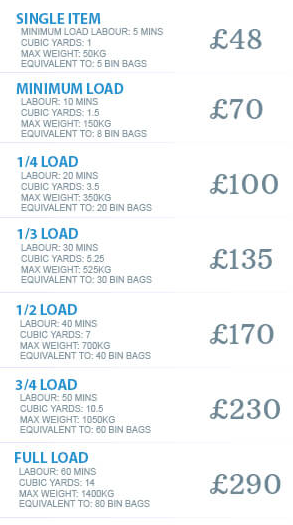
 Tipper Van - Rubbish Removal and Rubbish Collection Prices in Stockwell, SW8
 Luton Van - Rubbish Removal and Rubbish Collection Prices in Stockwell, SW8